Understanding the Floral Letter Logo Template
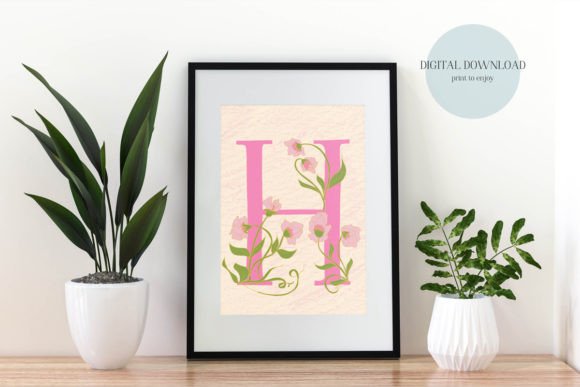
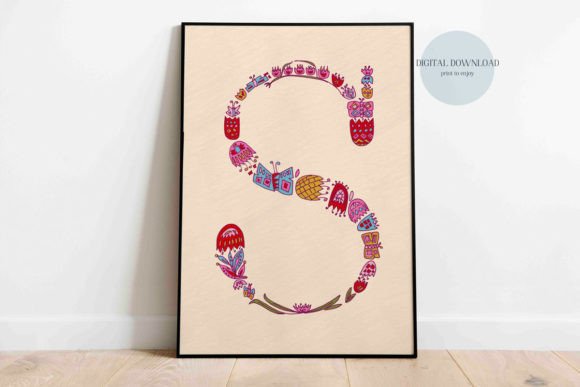
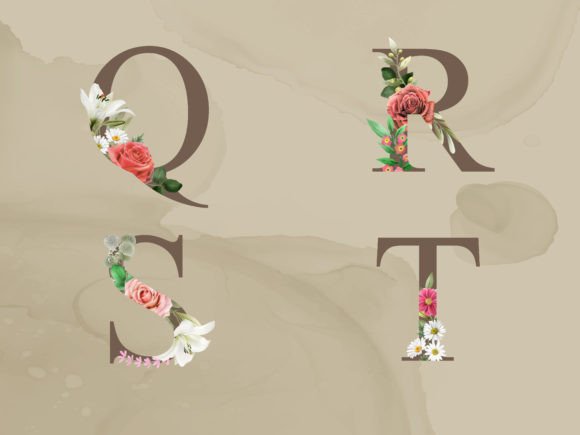
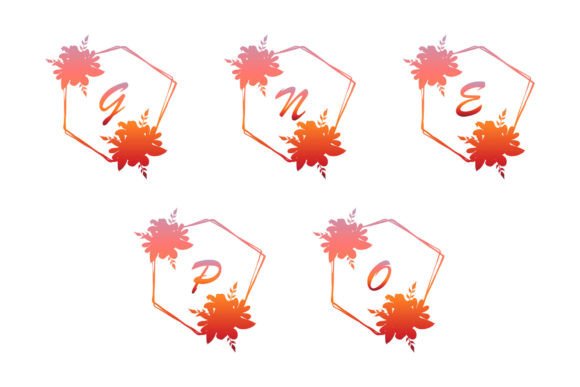
In the realm of branding and graphic design, templates offer a foundational starting point for creating visual identities. A floral letter logo template is a pre-designed digital file that combines an alphabetical character with intricate floral motifs and botanical elements. This specific template, as described, provides a complete package: a single letter integrated within a floral design, delivered in multiple file formats ready for customization.
Why Consider a Floral Letter Logo Template?
Individuals and small businesses exploring logo creation might be drawn to a floral letter logo template for several practical reasons. Primarily, it addresses common constraints of time, budget, and design expertise. Creating a logo from scratch requires significant skill in illustration, typography, and composition. A template provides a professionally crafted aesthetic foundation, eliminating the need for initial conceptual drawing.
The provided formats—AI, EPS, SVG, JPG, and PNG—serve distinct purposes. Vector files (AI, EPS, SVG) are crucial for professional use as they allow for lossless scaling and easy editing of colors and shapes, making the logo adaptable for everything from a business card to large signage. The raster files (JPG, PNG) offer immediate usability for web or digital contexts. This versatility is a key advantage for users who need a functional logo across various media without deep technical knowledge of file types.
Benefits and Practical Applications
The direct benefits of using such a template are efficiency and a guaranteed stylistic direction. The floral theme inherently communicates values such as nature, growth, elegance, femininity, or organic beauty. This makes a floral letter logo template a potential strong fit for businesses in specific niches. Examples include florists, botanical gardens, wellness spas, organic product brands, event planners specializing in weddings or natural settings, and boutique shops aiming for a delicate, crafted feel.
Furthermore, the "easy to edit" claim hinges on the user's access to and familiarity with vector editing software like Adobe Illustrator. For those with basic proficiency, changing colors, adjusting the density of floral elements, or integrating the letter into a larger brand lockup becomes feasible. The template acts not just as a final logo, but as a customizable component, saving hours of design time.
Key Trade-offs and Considerations
While the advantages are clear, important trade-offs exist. The foremost consideration is originality. A template is a pre-existing design. Even with customization, the core structure remains the same, which may limit brand distinctiveness if the template is widely available. Users must evaluate how unique their brand needs to be in a competitive marketplace.
Another consideration is the specificity of the letter. The template features one particular alphabet character. This is ideal for brands, personal projects, or monograms centered on that initial, such as a company named "Bloom" using a 'B' or a personal brand for "Jessica" using a 'J'. However, it is inherently unsuitable for a brand name requiring a full wordmark or a different initial.
Expectations around editing should also be calibrated. "Easy to edit" is relative. Significant structural changes—like altering the floral style from wildflowers to roses or completely changing the letterform—may require advanced design skills comparable to creating a new logo. The template simplifies the process but does not eliminate the need for some design judgment or software competence.
When Alternatives Might Be Worth Exploring
A floral letter logo template may not align with every project's goals. Situations where alternatives should be considered include projects requiring a wholly unique, legally trademarkable logo with no shared elements with other brands. For these, hiring a professional designer or commissioning custom artwork is a more appropriate path.
Similarly, brands with a vision that diverges significantly from the provided template's aesthetic—perhaps seeking a more minimalist, geometric, or abstract floral representation—might find the template too restrictive. Starting from scratch or seeking a different template style could yield a better fit.
Furthermore, if the brand concept is not tied to a single letter but to a full name, acronym, or symbol, a monogram-based template is inherently misaligned. In such cases, exploring logo templates focused on wordmarks or iconographic symbols would be a more logical direction.
Making an Informed Decision
To determine if this floral letter logo template aligns with your needs, engage in a practical self-assessment. First, confirm the stylistic alignment: does the "floral" representation in the template match the tone and values you wish your brand to convey? Examine the provided sample closely.
Second, assess technical compatibility. Do you have access to software capable of editing the AI or EPS files? If you only plan to use the JPG or PNG on a website, understand that your logo's scalability for print will be limited. Third, evaluate the centrality of the specific letter. Is this letter the unequivocal focal point of your brand identity?
Finally, balance your priorities. If speed, cost-effectiveness, and a proven elegant aesthetic are paramount, and you are comfortable with the constraints of template-based design, this floral letter logo template offers a substantial head start. If brand uniqueness, complete creative control, and a logo divorced from any pre-existing design are higher priorities, then investing in a custom solution is the more prudent choice. The decision ultimately hinges on where you place your needs on the spectrum between pragmatic efficiency and bespoke originality.