The Versatile Role of Round Floral Ornaments in Design Workflows
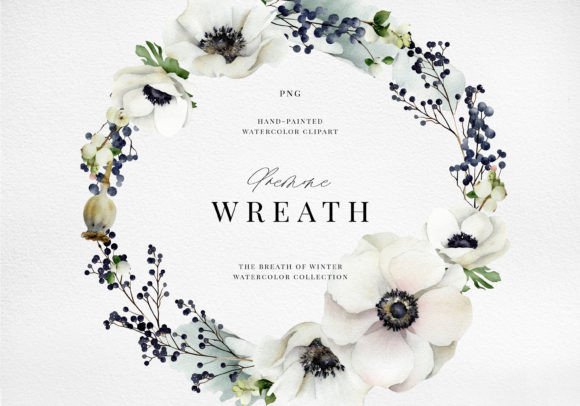
In the world of digital design and content creation, a simple asset like a round floral ornament with blue flowers is more than just a decorative graphic. It is a functional component, a starting point, and a unifying element in countless projects. Often described as a round floral ornament with blue flowers, featuring a green wreath isolated on a white background and provided in EPS, JPG, SVG, and transparent PNG formats, this type of resource embodies a key principle in efficient creative workflows: the use of high-quality, versatile foundational assets.
Understanding the Asset and Its Strategic Placement
At its core, this ornament is a vector-based and raster graphic asset. The EPS and SVG files are scalable vector formats, meaning they can be resized infinitely without loss of quality, perfect for logos, large prints, or detailed illustrations. The JPG offers a ready-to-use raster image for quick placements, while the transparent PNG is invaluable for overlaying the wreath onto colored backgrounds, other images, or within complex layouts without a disruptive white box. This multi-format availability is the first clue to its workflow integration. It allows the asset to enter a project at almost any stage.
You might acquire such an ornament during the preparation and concept phase of a project. For instance, when planning a spring marketing campaign, a designer could select this round floral ornament with blue flowers as a central visual motif. Its colors and style set the tone for all subsequent materials. Conversely, it can be introduced mid-project to solve a specific need, like adding visual interest to a sparse webpage layout or creating a consistent branding seal on a series of product photos. Its role is flexible, dictated by the project's requirements rather than a rigid sequence.
Integration with Tools, Platforms, and Collaborative Processes
The practical value of this asset is realized through its interaction with common tools and people. In software like Adobe Illustrator or Affinity Designer, the SVG or EPS file is opened as a fully editable vector. Designers can ungroup elements, change the color of the blue flowers to match a brand palette, adjust the green wreath, or extract individual leaves. This transforms a stock asset into a custom piece. In Canva or similar web-based platforms, the PNG file is uploaded and instantly used as a layered element over text and photos.
For non-designers—bloggers, educators, or small business owners—the JPG might be the most accessible format. It can be dragged into a Word document for a flyer, inserted into a PowerPoint presentation slide, or used as a featured image in a blog post about gardening or wellness, where the floral theme is metaphorically relevant. This ease of use across different competency levels makes it a bridging resource between professional design software and everyday productivity applications.
Consider a collaborative workflow: a marketing manager provides this round floral ornament with blue flowers to a freelance graphic designer and a social media coordinator. The designer uses the vector files to create a main logo variant and branded templates. The coordinator uses the PNGs to quickly generate daily social media posts. The asset ensures visual consistency across outputs from different team members using different tools, acting as a central source for the project’s aesthetic.
Practical Implementation: From Selection to Long-Term Use
Effective use begins with thoughtful selection. Does the style of the blue flowers and the density of the green wreath align with your project’s mood—is it elegant, rustic, vibrant, or subdued? Once selected, organization is key. Store all four file formats (EPS, JPG, SVG, PNG) in a dedicated project folder or a central digital asset library with clear naming. For example, “Floral_Wreath_Blue_Brand_v1” prevents confusion later.
A common implementation is within a template system. You might place the SVG ornament as a fixed element in an InDesign template for monthly newsletters. Every new issue inherits this consistent decorative touch, saving time and enforcing brand recognition. For digital use, the transparent PNG could be saved as a Photoshop layer smart object or a component in a Figma design system, allowing it to be reused across web page designs with a simple drag-and-drop.
Quality control involves checking the asset’s performance in different contexts. Test the PNG’s transparency on various background colors. Verify that the SVG scales cleanly when used for both a tiny favicon and a large poster. This due diligence prevents technical issues during crunch time.
Expanding Outcomes: Beyond Decoration
The round floral ornament with blue flowers often serves purposes beyond mere decoration. It can function as a visual anchor in a layout, guiding the viewer’s eye. It might be used as a badge to denote eco-friendly products, leveraging the natural green wreath symbolism. In educational materials, it could highlight key sections or soften the appearance of a serious document. For personal projects, like crafting custom wedding invitations or a family yearbook, it adds a layer of polished, reusable artistry that a hobbyist might not be able to draw themselves.
Its long-term value is in its adaptability. A business that initially uses it for a one-off campaign might archive it. Two years later, during a brand refresh, that same vector file can be reopened, its colors updated to a new scheme, and its elements recombined to form a fresh yet familiar logo, saving significant cost versus commissioning a wholly new design. This makes such assets investments, not just one-time purchases.
Workflow Examples and Key Observations
Imagine a freelance web designer building a site for a boutique florist. The round floral ornament with blue flowers is chosen as a recurring motif. The SVG is used for the animated logo, the PNG is used as a background pattern in the CSS, and the JPG is provided to the client for their own DIY Facebook cover photo. This multi-format asset delivers a cohesive look across mediums from a single source.
Another example: an entrepreneur creating a line of natural skincare products. They use the transparent PNG of the wreath as a watermark on all product photography, a subtle branding touch that doesn’t obscure the product. They also use the EPS file with a professional printer to create elegant, branded stickers for the packaging. The asset integrates into both digital and physical production workflows.
A key observation is that such assets work best when they complement, not dominate, the content. Overuse can lead to clutter. The goal is to integrate them smoothly so they enhance communication without becoming the communication itself. This requires a mindful approach to placement and frequency within any project layout or design system.
Ultimately, integrating a resource like a round floral ornament with blue flowers into your process is about recognizing its dual nature: as both a finished visual piece and a raw, editable component. By understanding the strengths of each file format and planning its use from the outset of a project, you leverage it for efficiency, consistency, and quality. It becomes a reliable piece in your creative toolkit, ready to serve at the point in the workflow where you need a touch of nature-inspired structure and beauty.