The Strategic Power of Minimalist Floral Design Elements
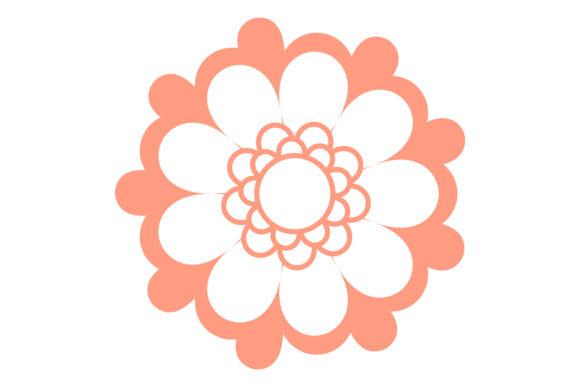
In a world saturated with visual noise, clarity and restraint become powerful strategic assets. The Minimalist Floral Design Element is not merely a decorative graphic; it is a versatile tool for communication and branding. By distilling the natural elegance of floral motifs into clean lines and essential forms, this design approach creates a visual language that is both impactful and adaptable. Its strategic utility lies in its ability to convey sophistication, calm, and organic connection without overwhelming the viewer’s attention. For entrepreneurs, creators, and professionals, integrating such a focused design element can sharpen your message and elevate your projects above the clutter.
Aligning Design Assets with Strategic Goals
Every visual asset you employ should serve a purpose beyond simple aesthetics. The true value of a Minimalist Floral Design Element emerges when it is intentionally aligned with your core objectives. Are you aiming to establish a brand identity that feels fresh and approachable? Do you need to create marketing materials that communicate quality and thoughtfulness? Perhaps your goal is to enhance a customer experience with cohesive, pleasing visuals across touchpoints. This design element, by virtue of its simplicity and universal appeal, can support these aims. It acts as a visual anchor, providing consistency without monotony, and elegance without extravagance.
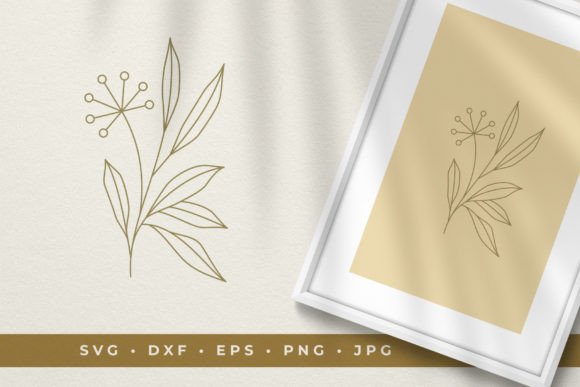
Consider the digital download’s included file formats—SVG, DXF, EPS, PNG, and JPEG—not just as technical options, but as strategic choices for different applications. The SVG file ensures infinite scalability for branding and large-format prints, safeguarding your visual quality at any size. The DXF file opens doors to precise fabrication and engraving, potentially expanding your product line into physical goods. The transparent PNG and versatile JPEG files are the bedrock of efficient digital marketing and social media content. By selecting the right format for each specific goal, you move from random use to tactical deployment.
Practical Applications Across Professional and Creative Endeavors
The inclusion of cut files and printable files transforms this digital asset from a static image into a dynamic production tool. Its utility spans numerous domains, each offering a path to better results.
Branding and Customer Experience
For small business owners and marketers, a consistent visual theme is crucial. A Minimalist Floral Design Element can become a subtle yet recognizable part of your brand’s signature. Use it on your website’s footer, as a watermark on photographs, or as a patterned background for quote graphics. This repeated, gentle motif builds subconscious association with your brand, enhancing memorability without aggressive advertising. Applied to packaging, thank-you cards, or email headers, it directly improves the customer experience by adding a layer of considered beauty.
Product Creation and Revenue Streams
The cut files included are a direct gateway to product development. Entrepreneurs and hobbyists can use them with cutting machines to produce uniform, professional-grade items—greeting cards, vinyl decals for t-shirts, intricate paper crafts for events, or personalized home décor. This allows for rapid prototyping and small-batch production, testing market response without significant overhead. By owning the scalable design files, you control quality and iteration, enabling you to adapt products based on feedback and trends.
Content Creation and Communication
Bloggers, educators, and freelancers constantly need to create engaging visual content. A Minimalist Floral Design Element serves as a ready-made component for slide decks, workbook covers, printable guides, and blog graphics. It can frame typography quotes, giving them a soft emphasis that pure text lacks. For communication, it helps break up dense information, making learning materials or reports more approachable. This supports not just creativity, but productivity—having a reliable, high-quality asset reduces the time spent searching for or creating ad-hoc graphics.
Approaching Use with Intentionality and Context
To rely on any design element effectively, one must move beyond impulsive application. Thoughtful use requires context. Before integrating the Minimalist Floral Design Element into a project, ask strategic questions: What is the emotional tone I need to set? Does this motif align with my audience’s expectations and preferences? Is the environment where this will be seen already visually busy, requiring more restraint? The minimalist nature of the element is its strength, but it demands a complementary context—it shines on clean layouts and alongside purposeful white space.
Planning is key. Map out where and how the element will appear across a campaign or product line. Use it as an accent, not a dominant feature. For example, on a greeting card, it might provide a subtle border; on a t-shirt, a single, small placement near the hem can be more effective than a large central print. This disciplined approach ensures the design supports the message without becoming the message itself, maintaining its sophisticated impact.
Strategic Considerations for Long-Term Value
View this digital asset as a long-term investment. The multiple file formats mean it can adapt to future technologies and platforms you may explore. As your business grows from printables to physical products, or from web graphics to video overlays, the core design remains consistent, saving you from costly rebranding or fragmented visual identity. This forward-thinking use protects your operational efficiency. Furthermore, by applying the element selectively over time, you build a visual history that feels curated and intentional, which in itself becomes a brand asset.
The Risks of Uncontextualized and Random Use
Without clear goals, even the most elegant design element can become a liability. The primary risk of using a Minimalist Floral Design Element randomly is visual dilution. If applied to every item without strategic reasoning, it loses its special meaning and becomes mere background noise. It could also clash unintentionally with other brand elements, creating a confusing rather than cohesive experience. Another risk is misalignment with audience perception; if your target market associates florals with a sentiment incompatible with your core service, the use could undermine your positioning.
To avoid these pitfalls, establish a simple style guide for its use. Define acceptable color variations (should it always be monochrome, or can it adopt brand colors?), size parameters, and approved contexts. This governance, even if informal, ensures every application is deliberate and enhances your overall outcomes.
A Framework for Intentional Integration
How do you move from possessing a file to achieving better results? Start by auditing your current visual needs. Identify gaps where elegance or organic warmth is missing. Then, prototype. Use the PNG file to quickly mock up a social media post, or the SVG to see how it scales on a mock-up website banner. Evaluate not just how it looks, but how it feels in context. Seek feedback focused on the impression it creates—does it convey the desired sense of calm, quality, or creativity?
Finally, integrate with measurement in mind. If used on marketing materials, note any changes in engagement. If applied to products, observe customer comments. The Minimalist Floral Design Element should be a tool for improvement, and its success should be gauged by how well it helps you meet your specific objectives, whether they are increased brand recall, higher product value perception, or more effective communication.
The Cumulative Advantage of Strategic Design
In the end, the thoughtful use of a Minimalist Floral Design Element is about cumulative advantage. Each intentional application builds upon the last, strengthening your visual narrative and operational efficiency. It saves time, provides consistency, and offers a versatile solution for countless creative and professional challenges. By treating this asset not as a mere decoration, but as a component of your strategic toolkit, you unlock its full potential to support your planning, your communication, and your long-term results. The files are provided—the strategy, however, must be yours, grounded in the realistic pursuit of clearer, more beautiful, and more effective outcomes.