The Elegant Versatility of a White Watercolor Floral Illustration
In the expansive world of digital design assets, few items possess the quiet charm and remarkable adaptability of a simple, beautifully rendered illustration. Consider, for example, a delicate illustration of a white floral wreath or an arrangement done in soft watercolor style. At first glance, it is a piece of art—a gentle nod to nature’s beauty captured in digital form. But its true story begins when we look beyond the artwork itself and explore its purpose, significance, and practical relevance. This is not merely a picture; it is a versatile tool for creativity, a bridge between artistic expression and everyday application.
Understanding the Asset: More Than Just a Pretty Picture
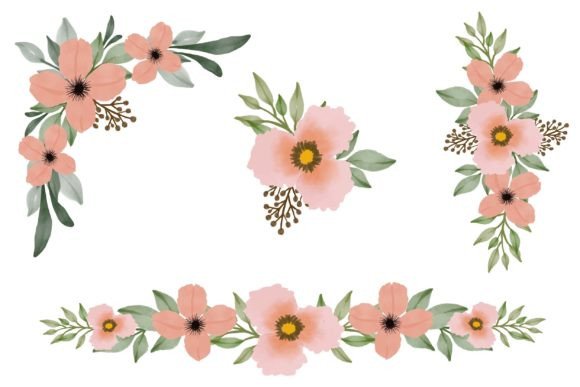
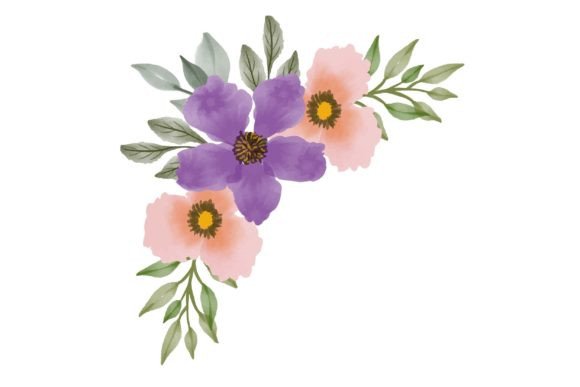
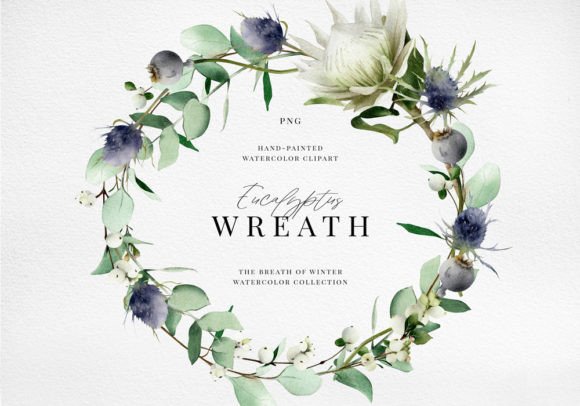
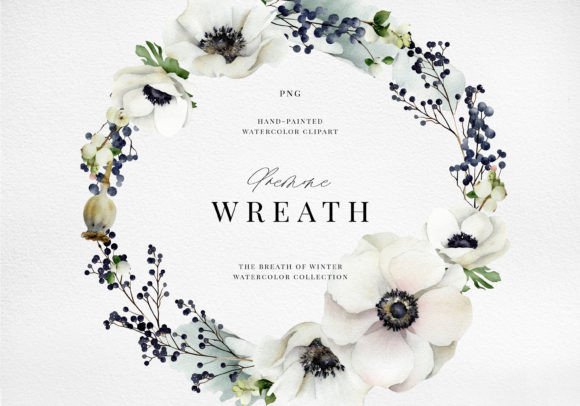
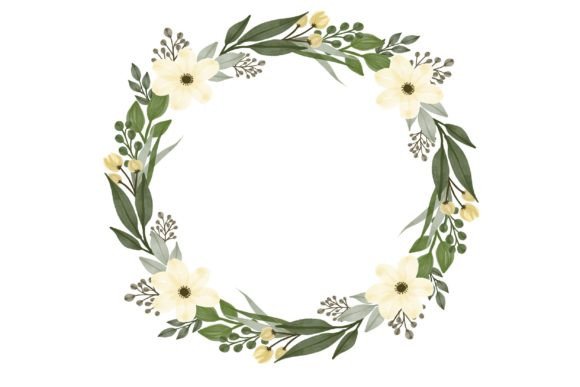
Let's start from the ground up. What exactly is this illustration? It is a digital file, a vector and raster graphic depicting a floral motif. The specific description includes a wreath—a circular, symbolic arrangement of flowers—and a looser floral arrangement, both rendered in a watercolor aesthetic. The watercolor style implies soft blends, gentle transparency, and organic edges, evoking a sense of warmth and handmade artistry even in a digital format.
Its core significance lies in its dual nature. It is both artistic and functional. As art, it carries aesthetic value: the white color scheme suggests purity, elegance, and simplicity, while the floral theme connects to universal ideas of growth, celebration, and life. As a functional digital asset, its value is defined by its usability across countless platforms and projects. This blend is what makes it so powerful in modern creative workflows.
The Technical Backbone: What's Included in the Package
A key to its versatility is the technical delivery. Typically, such an illustration is provided in multiple file formats, each serving a distinct purpose:
- .EPS 10 Format: This is a vector file. Vector graphics are based on mathematical paths, not pixels. This means they can be resized infinitely—from a tiny logo on a business card to a massive billboard print—without any loss of quality or sharpness. For designers, this is the foundational, editable format.
- .JPG Format: A standard raster image format. It’s excellent for web use, digital presentations, or situations where a smaller file size is preferable, though it has a fixed resolution.
- .PNG Format: Another raster format, but with a crucial advantage: it supports transparency. This means the background can be invisible, allowing you to place the floral illustration seamlessly over any other color or image, which is ideal for web graphics, overlays, and app design.
Having these three formats transforms a single illustration from a static image into a adaptable resource. It clarifies a common misunderstanding: that digital illustrations are limited to one use or size. By providing vector and raster options, the asset empowers both professional designers and casual users.
A World of Applications: Where the Illustration Fits into Modern Life
The practical relevance of this floral illustration is vast. Its neutral white palette and timeless floral subject allow it to integrate smoothly into diverse areas of modern life, work, business, and personal creativity. Let’s explore some concrete examples.
Personal Creativity and Daily Activities
For the hobbyist or individual looking to add a personal touch to their world, this illustration is a treasure. Imagine using it as a custom wallpaper for your phone or computer, bringing a daily dose of serene beauty to your digital workspace. It can become the centerpiece of a handmade invitation for a wedding, baby shower, or garden party, where its elegant style sets the tone for the event. Similarly, it can be printed onto cardstock to create unique greeting cards, thank-you notes, or stationery, making correspondence feel more personal and artful.
Business and Branding
In a commercial context, such an illustration moves from personal decor to a strategic branding tool. A boutique cafe might use it on its menu, website, and social media to convey a cozy, organic vibe. A lifestyle brand could incorporate it into the pattern for fabric, creating a line of clothing, curtains, or table linens. The scalability of the vector file means it can be engraved on a mug, screen-printed on a tee, or even used as part of a store’s interior decor vinyl wrapping. Its versatility supports a cohesive visual identity across physical and digital products.
Technology and Digital Design
In the digital realm, the PNG file with transparency is particularly invaluable. Web designers can use it as a subtle background element, a decorative icon, or a hero image banner. App developers might integrate it into user interface graphics for a wellness or gardening app. The asset fits perfectly into the content creation pipeline for bloggers and social media influencers needing aesthetically pleasing graphics for posts, videos, or newsletters.
Building a Broader Understanding: The Illustration as a Creative Catalyst
To truly appreciate this topic, we must see the illustration not as an endpoint, but as a starting point—a creative catalyst. Its purpose extends beyond mere decoration. It serves to:
- Solve Design Problems: It provides a ready-made, high-quality visual element that can save hours of design time, especially for those without advanced illustration skills.
- Inspire New Ideas: A simple wreath might inspire a whole theme for a project, from color palettes to complementary fonts and layouts.
- Democratize Design: By being available in easy-to-use formats, it empowers small business owners, event planners, and crafters to achieve a professional look without a professional budget.
This clarifies another assumption: that using pre-made graphics is less creative. In reality, it’s about strategic resource allocation. The creativity shifts from drawing the flower to innovatively applying it in a context that communicates a specific message or enhances a product.
Fitting into the Modern Creative Economy
The existence and popularity of such assets highlight a shift in how we approach creativity and production. They are integral to the digital marketplace, supporting entrepreneurs, artists, and educators. For instance, a teacher might use the illustration in educational materials for a botany lesson or an art class discussing composition. It fits into the "do-it-yourself" culture empowered by digital tools, where individuals can design and produce customized items for their homes or small businesses.
Choosing and Using Your Floral Illustration Wisely
To harness the full potential of this versatile asset, consider a few guiding principles:
- Context is Key: Match the illustration's style (soft, elegant, watercolor) to your project's tone. It works wonderfully for events, brands, and products emphasizing grace, nature, or calm.
- Format Awareness: Use the EPS vector for any print or scalable need. Use the JPG for standard digital placements where file size matters. Use the PNG when you need the floral design to sit cleanly on a non-white background.
- Experiment with Layers: In design software, you can often change colors of vector elements, add textures behind the PNG, or combine the wreath with other elements to create something entirely new.
By understanding these aspects, you move from simply having a file to strategically deploying a multi-faceted design resource.
Conclusion: A Simple Element with Profound Utility
The journey from seeing a white watercolor floral illustration as a decorative image to recognizing it as a versatile, practical tool is a lesson in modern digital creativity. Its significance is woven into its aesthetic appeal, its technical adaptability, and its boundless applications across personal, professional, and technological spheres. Whether you are a beginner looking to beautify a personal project or an experienced designer seeking a reliable, elegant asset for a client's brand, this type of illustration stands as a testament to how art and utility can beautifully coalesce. It reminds us that in our interconnected world, even the simplest elements—like a wreath of white flowers—can be the seed for immense creativity and expression.