The Allure and Utility of the Watercolor Floral Bouquet with Butterfly
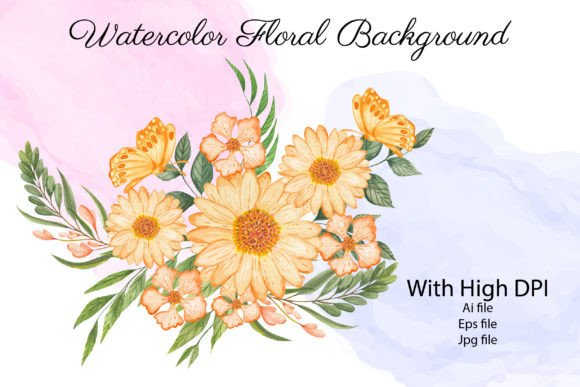
In the vast ecosystem of digital design assets, certain creations possess a unique dual nature, serving both as objects of aesthetic beauty and versatile tools for practical creation. A high-quality, hand-painted watercolor floral bouquet with butterfly exemplifies this duality perfectly. This composition is not merely a static image; it is a foundational element brimming with potential. The bright, juicy flowers, artfully combined with a delicate butterfly, are rendered in a style that evokes both natural vibrancy and artistic grace. Understanding its characteristics, advantages, and the breadth of its application reveals why such a design is a valuable resource for a diverse range of users.
A Deep Dive into the Design's Core Characteristics
To appreciate its utility, one must first understand its inherent qualities. The term watercolor floral bouquet with butterfly describes a specific artistic output. It implies a traditional painting technique—watercolor—digitally captured or created at a high resolution. The "high quality hand painted" designation is crucial; it indicates an origin in skilled craftsmanship, not algorithmic generation. This results in textures, subtle color blends, and organic imperfections that carry a human touch, a quality often sought to add warmth and authenticity to digital projects.
The description of items being "bright and juicy" points to a deliberate color palette. These are not muted, pastel washes but saturated, lively hues that command attention while retaining the softness inherent to watercolor. The inclusion of a butterfly introduces a dynamic element of nature, a symbol of transformation and lightness that complements the static beauty of the floral arrangement. This combination creates a focal point and adds narrative depth to the image.
Technical Specifications and Editability
The practical power of this asset is unlocked by its technical delivery. Typically, the user receives a PNG file at 300 DPI (dots per inch). This resolution is standard for high-quality print applications, ensuring that posters or invitations maintain crisp detail without pixelation. The provision of an AI EPS file is equally significant. EPS (Encapsulated PostScript) files, often associated with Adobe Illustrator (AI), are vector-based or contain vector data. This format allows for easily editable uses, as designers can isolate elements, change colors, resize infinitely without quality loss, and rearrange components to suit a specific layout. The phrase "you can change this design easily" hinges on this vector compatibility, transforming a fixed illustration into a flexible toolkit.
The Practical Canvas: Diverse Applications Across Fields
The listed applications—posters, pictures, postcards, backgrounds, invitations, textiles, and much more—are not mere suggestions but logical extensions of the design's properties. Each use case leverages different aspects of the bouquet.
- Marketing and Event Professionals: For invitations and posters, the bright, joyful imagery sets an immediate tone of celebration and elegance. The editable nature means the same core artwork can be adapted for a wedding, a garden party, or a corporate spring event by simply adjusting text and layout.
- Graphic Designers and Content Creators: Using the illustration as a background for websites, social media graphics, or blog headers adds a professional yet artistic layer. The PNG file offers quick placement, while the EPS allows for custom compositing with other brand elements.
- Product Developers and Entrepreneurs: Application on textiles, such as for fabric printing for clothing or home decor, is a direct path. The watercolor style is particularly popular in fashion and interior design markets. Furthermore, the design can be applied to physical products like stationery, mugs, or packaging, creating a cohesive branded look.
- Educators and Hobbyists: In educational materials or personal craft projects, such as handmade postcards or decoupage, the image provides a ready-made, beautiful centerpiece. Its quality ensures the final handmade item looks polished.
The statement "this design can be applied according to your needs" underscores its role as a multipurpose component. It shifts the creative burden from creating original art from scratch to adapting and integrating existing, high-caliber art.
Evaluating Advantages and Key Considerations for Users
Choosing a pre-made asset like a watercolor floral bouquet with butterfly involves weighing distinct advantages against a few considerations.
Primary Advantages
The most evident benefit is time efficiency. Commissioning or painting a custom watercolor illustration of similar quality is a significant investment of time and money. This asset provides an immediate solution. Secondly, it offers professional quality accessible to non-artists. A business owner without drawing skills can still deploy beautiful, art-led designs. Thirdly, the editable file formats grant creative control. Users are not locked into a single composition; they can modify, which is essential for branding where consistency across materials is key. Finally, the aesthetic itself—the watercolor trend—holds enduring appeal. It bridges digital and traditional art, often resonating with wide audiences.
Important Considerations
While versatile, the design is a starting point. Its effective use requires some basic design sensibility or software knowledge (like Illustrator) to execute changes "easily." The existing color palette—bright and juicy—may need adjustment to fit specific brand colors that are more subdued. Furthermore, because it is a pre-made asset, its uniqueness in a crowded marketplace depends on how distinctively it is modified and combined with other elements. Users should consider licensing terms to ensure the intended commercial applications are permitted.
Workflow Integration: From Asset to Final Product
Imagine a practical workflow for a small business owner creating a spring sale campaign. They acquire the watercolor floral bouquet with butterfly bundle. They open the EPS file in Illustrator, select the butterfly element, and duplicate it to create a repeating pattern for a background. They use the PNG to quickly draft a social media post. They extract a single flower cluster from the EPS file to use as a watermark on promotional emails. Finally, they send the adapted EPS design to a printer for fabric to create tablecloths for the sale event. This workflow demonstrates how one asset feeds multiple channels, ensuring visual coherence while allowing for channel-specific adaptations.
For a researcher or educator creating a presentation on pollination or natural beauty, the image serves as a consistent visual theme across slides, handouts, and online materials, making complex information more approachable. The butterfly element directly reinforces thematic content.
Beyond the Single Use: Trends and Ecosystem Context
This specific design exists within broader trends. The demand for hand-painted, authentic-looking digital assets continues to grow as audiences seek to counterbalance the often sterile feel of pure digital graphics. Watercolor, with its texture and translucency, fulfills this need. Furthermore, the integration of natural motifs—floral bouquets and insects—aligns with a persistent cultural appreciation for nature and wellness-inspired design. A watercolor floral bouquet with butterfly taps into both these trends, increasing its relevance and applicability across sectors from tech (as calming UI backgrounds) to hospitality (as decor themes).
In conclusion, the value of such a design resource lies in its layered offering: immediate aesthetic appeal, high technical quality for both print and digital, and foundational flexibility through editable vector files. It empowers a broad audience—from professionals seeking efficiency to hobbyists seeking quality—to enhance their projects with art that feels both personal and proficient. Its real-world relevance is proven in its translation from a digital file to posters on walls, patterns on textiles, and visuals in campaigns, making the journey from the artist's hand to the user's application a seamless bridge between art and utility.