Botanical Wreath Drawing: A Modern Floral Decorat Essential
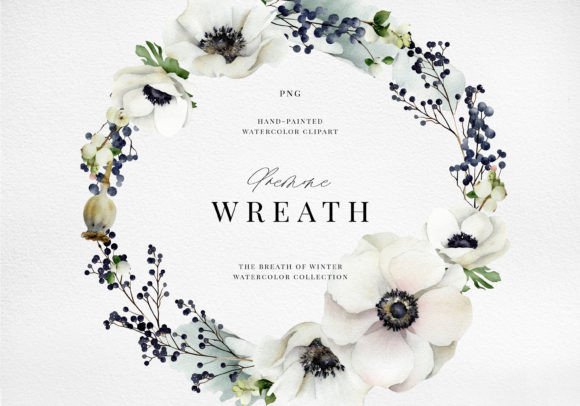
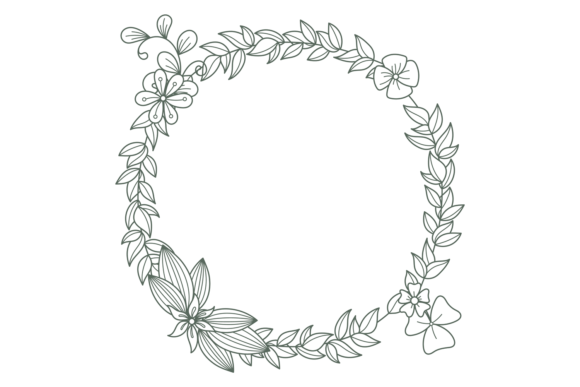
In today's creative landscape, the Botanical Wreath Drawing stands as more than just a floral decorative print. It is a versatile digital asset, often offered as a file bundle including EPS, JPG, SVG, and transparent PNG formats. This specific combination caters to a wide range of applications—from a blogger enhancing a website header to a small business owner designing product packaging. Yet, its simplicity can be deceptive. Many users assume downloading a floral wreath graphic is straightforward, overlooking the crucial details that determine whether this element becomes a seamless part of their project or a source of frustrating technical hiccaps.
Understanding Your File Formats: The Common Oversight
A primary mistake is treating all file types in a Floral Decorat bundle as interchangeable. This misunderstanding directly impacts efficiency and final quality. For instance, using a JPG file for a print project requiring a large-scale enlargement will result in pixelation and blurry edges, degrading the professional presentation you likely aim for. Conversely, using the EPS or SVG for a simple social media graphic might involve unnecessary steps if your software doesn't handle vector files well.
The better approach is to understand the core purpose of each format before you even download:
- EPS & SVG: These are vector files. The lines and shapes in the botanical wreath are defined by mathematical paths, not pixels. This means they can be scaled to any size—from a business card to a billboard—without any loss of quality. They are essential for professional printing and flexible design work where size adjustments are common.
- Transparent PNG: This is the go-to format for digital use. The background is truly clear, allowing you to place the wreath drawing over any colored or patterned background on websites, in digital presentations, or on mockups. A common error is using a JPG with a white background and trying to "remove" it clumsily, which leaves ragged edges and consumes extra time.
- JPG: A reliable, compressed format suitable for final-use images where the size is fixed, such as in a pre-sized PDF brochure or a blog image where you won't need to resize it.
Before using your Botanical Wreath Drawing, ask yourself: "Is my final use case primarily for print, for digital, or both?" Your answer dictates which file you should open first.
Resolution and Detail: The Hidden Quality Check
Even with the correct file type, another detail is frequently overlooked: the actual resolution and artistic detail of the drawing itself. Many creators, especially entrepreneurs and marketers rushing to meet a deadline, download a floral wreath graphic based on its preview thumbnail alone. They might later discover that the illustration style clashes with their brand's aesthetic—perhaps it's too sketch-like for a sleek tech brand or too dense and traditional for a minimalist lifestyle blog.
This affects communication and brand consistency. A floral decorative element should complement your message, not distract from it. Always examine the full-size previews of each file format. Look for:
- The line weight and artistic style (is it delicate, bold, realistic, or abstract?).
- The complexity of the botanical elements (are the leaves and flowers clearly defined?).
- The balance and symmetry of the wreath itself (does it look hand-drawn and organic, or perfectly geometric?).
A realistic example: A freelancer designing a wedding invitation might choose a wreath with loose, illustrative lines for a rustic theme, while a professional creating a corporate wellness brochure might select a cleaner, more symmetrical vector wreath. Checking these details beforehand avoids the cost and dissatisfaction of having to find a replacement asset mid-project.
Application Pitfalls: Misusing the Wreath in Layouts
Once you have the right high-quality file, application errors can still diminish your results. A frequent mistake is using the botanical wreath drawing as a dominant, central graphic without considering hierarchy. Throwing a large, intricate wreath onto a poster already packed with text and other images creates visual clutter, reducing the effectiveness of your overall design.
The constructive solution is to define the wreath's role. Is it a frame for text or a portrait? Is it a subtle accent in the corner of a webpage? Is it a repeating pattern element? Scale and position it accordingly. For a balanced and useful outcome, use the wreath to support your content. For instance, a transparent PNG of a simple wreath can be lightly placed behind headline text on a website to add texture without competing for attention. This practical, helpful approach ensures the floral decorat enhances your work, rather than overwhelming it.
Source and License Verification: A Step Professionals Never Skip
For hobbyists and beginners, the excitement of finding a perfect botanical wreath drawing can lead to skipping the most critical step: verifying the source and usage rights. This oversight carries significant risk, especially for commercial projects. Using a graphic with unclear licensing for a logo, a product you sell, or a branded marketing campaign can result in legal complications and damage to your professional reputation.
Always check the license before downloading or purchasing. Legitimate sources will clearly state whether the file bundle is free for personal use, requires attribution, or is covered under a commercial license. A better approach is to invest a few extra minutes in reading the terms. For educators and small business owners, purchasing a commercial license from a trusted stock resource or independent artist provides peace of mind and supports the creative community. It’s a corrective action that safeguards all your future efforts.
Technical Compatibility: The Pre-Download Checklist
Finally, even the most beautifully drawn wreath is useless if your software can't open it. A common assumption is that "all design programs read all files." This is not true. An EPS file from a newer version of Adobe Illustrator might not open correctly in an older version or in a different vector program. Similarly, some online design tools have limited support for SVG files.
To avoid this frustration, conduct a quick compatibility check. Know which programs you use for your projects. If you rely on Canva or similar web-based platforms, ensure they support SVG or transparent PNG uploads (and check their size limitations). If you use professional desktop software like Adobe Creative Suite or Affinity Designer, you're likely safe with EPS and SVG. This simple, practical verification ensures your workflow remains efficient and that the floral decorative print element you selected integrates smoothly into your creative process.
By approaching your Botanical Wreath Drawing with this level of informed attention—from file format selection to license verification—you transform a simple download into a reliable, high-quality asset. This empowers you to create with confidence, whether you're crafting a blog post, designing a client presentation, or developing your own brand's visual identity. The floral wreath then becomes not just an isolated graphic, but a harmonious and effective component of your unique creative work.